
seasonal
After the 2023 Floods: Termites and Rodents in Valley Homes
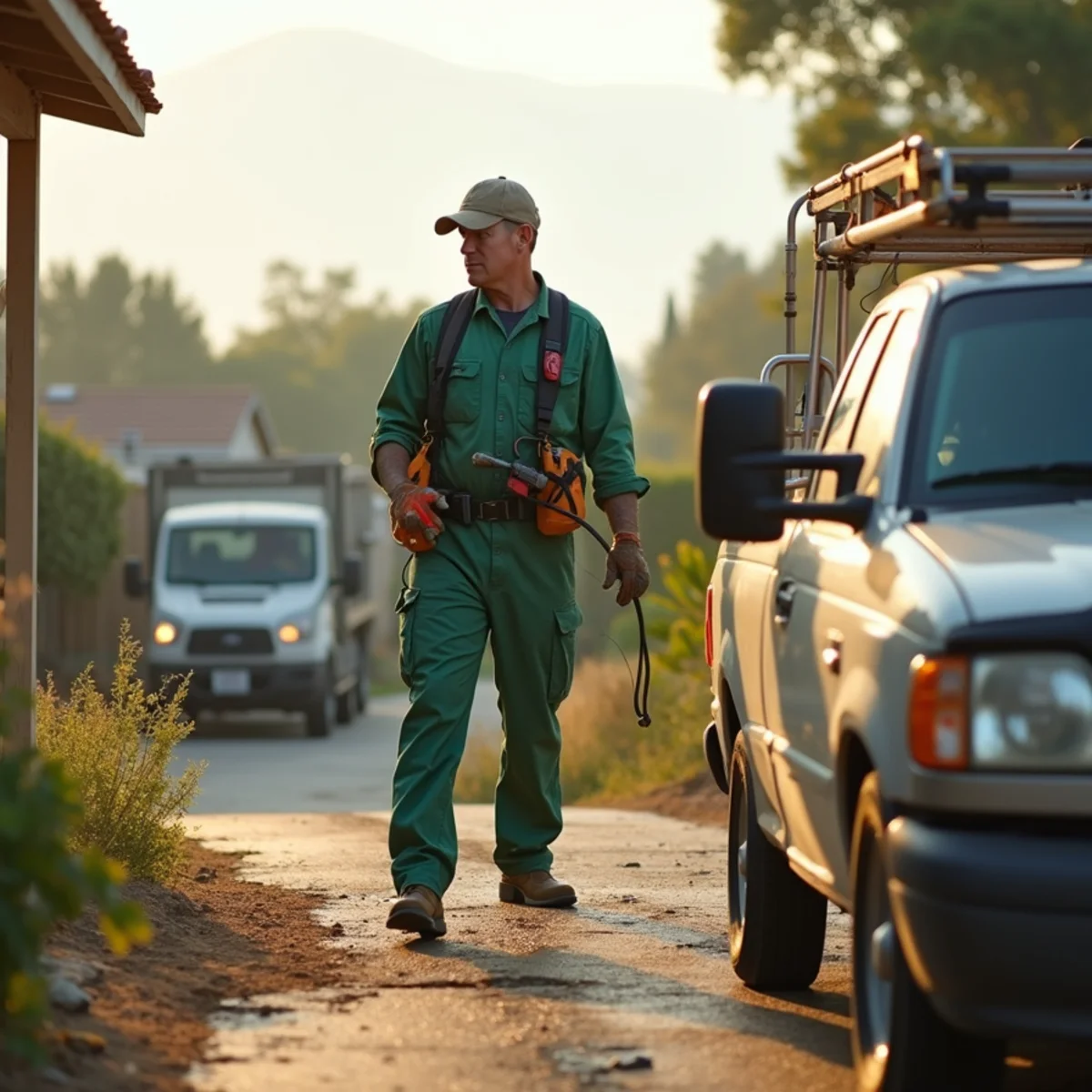
The 2023 floods that refilled Tulare Lake and swamped parts of Kings County left behind wet wood, soaked soil and displaced wildlife — ideal conditions for subterranean and dampwood termites, silverfish and other moisture pests, plus rodents pushed from flooded ground into homes. A careful inspection during rebuild catches these before they establish.
What the 2023 floods left behind
The winter and spring of 2023 brought extraordinary runoff to the southern Central Valley. Tulare Lake — a lakebed that had been dry farmland for generations — refilled and spread across tens of thousands of acres, and swollen rivers and canals flooded parts of Kings County, Tulare County and surrounding farm communities. Homes, outbuildings and farm structures took on water or sat in saturated ground for weeks and months.
Floodwater recedes, but its effects on a building linger long after the surface looks dry. Water wicks into framing, subfloors, sill plates and drywall; soil around and under foundations stays saturated; and crawlspaces hold humidity that takes a long time to dissipate. That residual moisture is the thread connecting the pest problems that follow a flood.
More than two years on, homes that were flooded or that sat in high groundwater are still working through the consequences, and some pest issues only become obvious once rebuilding opens up walls and floors. Knowing what to watch for turns a nasty surprise into a manageable inspection item.
The scale of the 2023 event is what makes this more than a footnote. Tulare Lake had been drained farmland for generations, so when extraordinary snowmelt and rain refilled it, water sat on ground that had not been a lakebed in living memory — around homes, farm shops, dairies and rural outbuildings never built to shed standing water. High groundwater lingered long after the surface receded. For many Kings County and south-Valley properties, that meant months of saturation, and saturation is the root condition behind nearly every pest problem that follows a flood.
Need help now, not later?
Call (321) 496-4080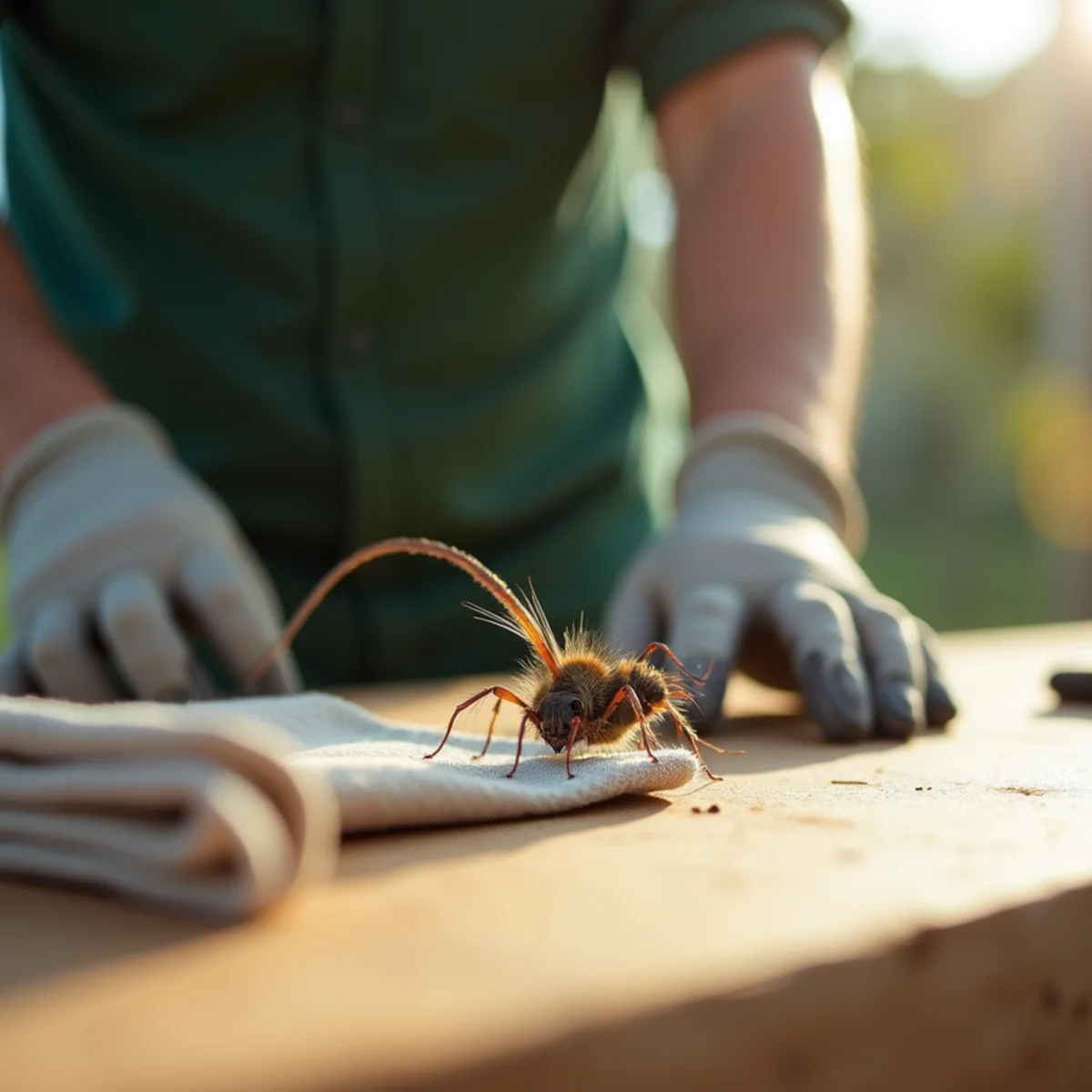
Moisture pests: termites and silverfish
Moisture is the common denominator for several wood and paper pests, and a flood supplies it in abundance. Subterranean termites, in particular, depend on soil moisture, and saturated ground around a foundation creates ideal conditions for colonies to establish and push into damp framing. Where floodwater has kept wood wet, the risk of subterranean activity rises for a long time after the water is gone.
Prolonged wetness in framing also invites wood-decay fungus, which softens wood and makes it even more attractive and accessible to termites — a one-two problem where rot and insects compound each other. Damp, poorly ventilated crawlspaces are the classic setting for this cycle.
Silverfish and firebrats are another signal. These small, moisture-loving insects feed on paper, cardboard, stored boxes and the starches in damp materials, and a humid, flood-affected home is exactly their habitat. Finding silverfish in a closet, bathroom or stored-box pile is a flag that moisture levels are still high enough to support them — and high enough to worry about for wood pests too. Addressing termite risk means a proper termite-control assessment paired with drying the structure out.
Two other moisture pests round out the picture. Carpenter ants, unlike termites, do not eat wood but excavate it to nest, and they strongly prefer wood that has already been softened by water damage — making flood-weakened framing an open invitation. Wood-decay fungus, meanwhile, is not an insect at all but a direct consequence of wood staying wet; it structurally weakens the material and, by softening it, makes the wood easier for both termites and carpenter ants to attack. Finding any of these is really a sign pointing back to the same culprit: moisture that has not fully left the structure.
Displaced rodents looking for dry ground
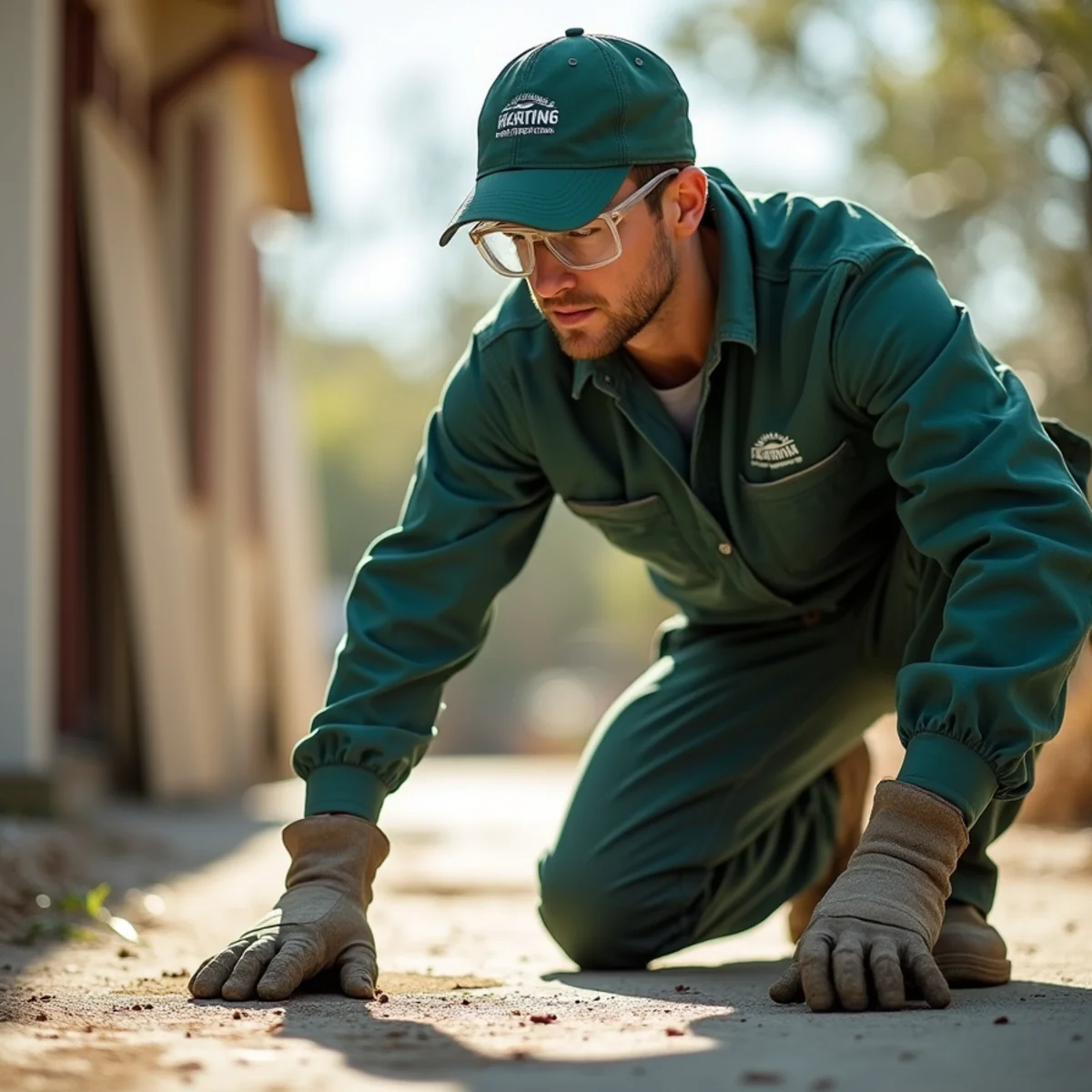
Floods do not just affect buildings; they displace the wildlife living in the fields, ditch banks, river bottoms and burrows across farm country. When their ground floods, rats, mice, ground squirrels and other rodents move — and they move toward the nearest high, dry, sheltered place, which is often a home, barn, shop or outbuilding.
That dynamic drove a surge of rodent pressure on structures near flooded areas, and the effect can persist as rebuilt habitat and shifting water push populations around. A home that never had a rodent problem before can suddenly see activity simply because the surrounding landscape changed.
Rodents arriving in a flood-damaged home find easy entry, because flooding warps doors, cracks foundations, and leaves gaps where water forced its way in or where repairs are incomplete. They also find the damp, disturbed, cluttered conditions of a home mid-rebuild very hospitable. A rodent-control-services inspection during reconstruction is far easier than evicting an established colony from finished walls later.
The displacement does not end when the water recedes, either. As floodwater drops and habitat slowly recovers, rodent populations keep shifting — animals that sheltered in one structure spread out looking for food and nesting sites, and the disturbed, debris-strewn landscape of a recovering farm community offers plenty of both. That is why rodent pressure on flood-affected properties can stay elevated well beyond the flood itself, and why sealing a rebuilt home properly matters even if the yard looks dry and settled now.
A rebuild and recovery checklist
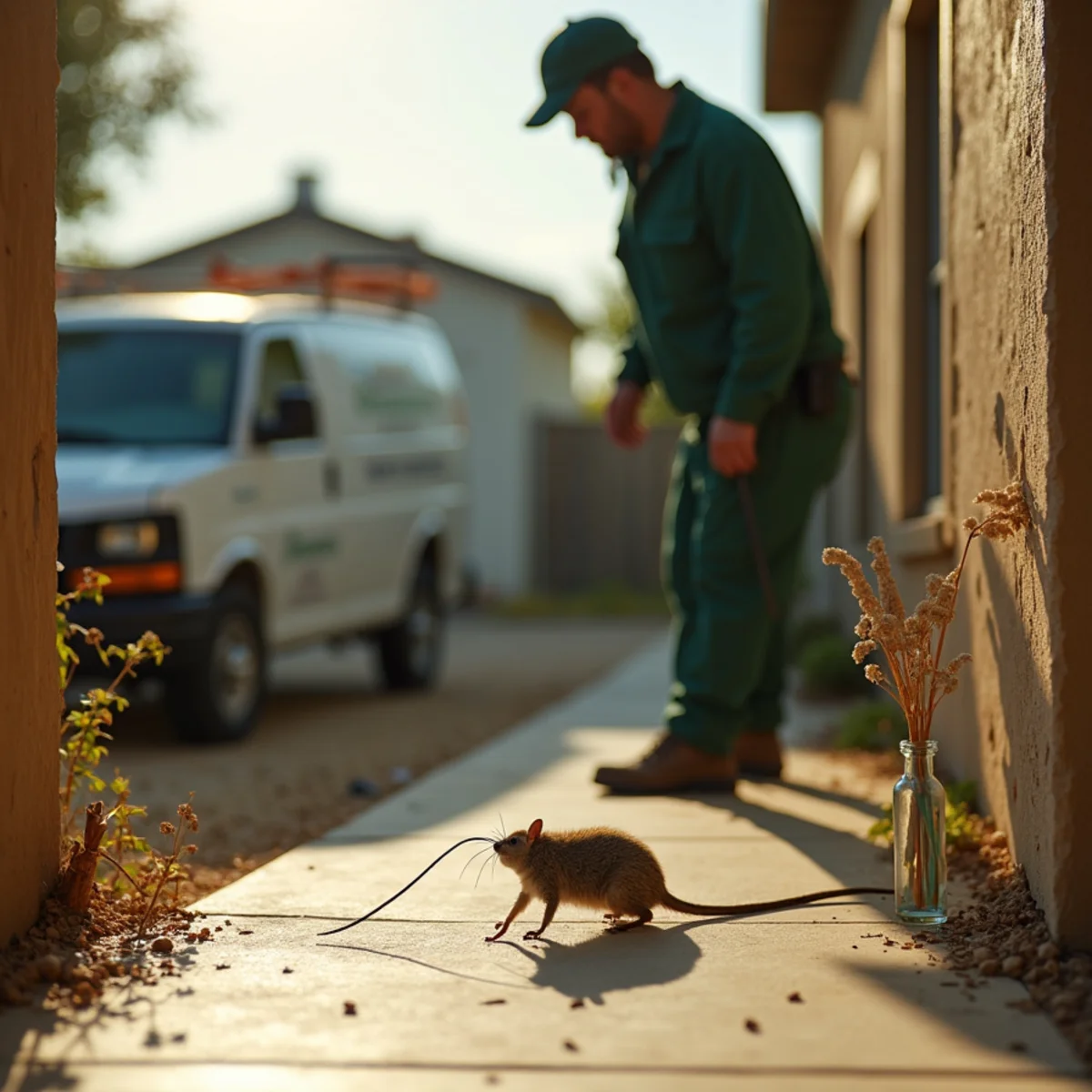
If your home was flooded or sat in saturated ground, work these pest-focused items into the drying and rebuilding process — ideally while walls and floors are still open and accessible:
- Dry the structure thoroughly. Use the rebuild to ventilate and dry framing, subfloor and crawlspace before closing walls; measure moisture if possible, because lingering dampness feeds every problem on this list.
- Inspect for termites while open. Have framing, sill plates and the foundation checked for subterranean mud tubes and wood-decay damage before drywall goes back up.
- Replace soaked, infested or rotted wood. Do not build over compromised framing; it is both a structural and a pest liability.
- Correct crawlspace moisture. Address drainage, vapor barriers and ventilation so the space does not stay humid after the flood.
- Seal rodent entry points. Close the gaps, warped thresholds and foundation cracks the flood created, using chew-proof materials.
- Remove damp cardboard and stored boxes. These harbor silverfish, roaches and rodents; switch to sealed bins off the floor.
- Regrade and manage drainage. Keep water moving away from the foundation so soil does not stay saturated against the house.
- Schedule a follow-up inspection. Some issues surface months later; one more look after the home is dry catches what the first pass missed.
Doing this during the rebuild is dramatically cheaper and less disruptive than opening finished walls later to deal with termites or rodents that established in the meantime.
The sequencing is the quiet advantage here. During a rebuild the walls are already open, the crawlspace is accessible, drying equipment is already running, and a contractor is on site — the exact moment when inspecting framing, replacing compromised wood, and sealing entry points costs the least and disrupts the least. Try to do the same work a year later and every step means tearing back into finished surfaces you just paid to install. Folding the pest items into the reconstruction schedule, rather than treating them as a separate project, is how affected homeowners save the most.
The long game: why it is worth doing now
The honest reality is that flood-related pest problems play out over years, not weeks. Subterranean termite colonies take time to establish and longer to become obvious; rodent populations shift as habitat recovers; and moisture trapped in a structure can feed decay and insects quietly behind finished surfaces.
That slow timeline cuts both ways. It means a home can look fine today and reveal termite damage or a rodent nest a year or two from now — but it also means that acting during the rebuild, while everything is accessible and dry-out is already underway, is by far the most effective and economical window you will get.
If your home or property was affected by the 2023 flooding, the most valuable step is a careful inspection that looks specifically for moisture-driven termite activity and rodent intrusion, tied to the drying and sealing work the rebuild already requires. Catching these early protects both the structure and the investment you are making to restore it.
One last point for peace of mind: an inspection that finds nothing is still worth doing. Given how slowly flood-driven termite and rodent problems develop, a clean inspection during the rebuild establishes a baseline and, paired with the moisture and sealing fixes above, meaningfully lowers the odds of a problem surfacing later. If something is found, you catch it while it is small and accessible. Either outcome beats the alternative of discovering structural termite damage behind new drywall two years into a home you worked hard to restore.
It bears repeating that the common thread through all of it is moisture, which makes the drying work the single highest-value step. Get the framing, subfloor and crawlspace genuinely dry and keep them that way with corrected drainage and ventilation, and you remove the condition that feeds subterranean termites, wood-decay fungus, silverfish and carpenter ants alike. Pest treatment then handles whatever already established while the home was wet, but the lasting protection comes from denying future pests the damp conditions the flood created. Dry the structure, seal the openings, and inspect while everything is open — those three moves carry most of the recovery.
Frequently asked questions
The 2023 floods reshaped the ground around tens of thousands of Valley homes, and the pest consequences — moisture-driven termites, silverfish and displaced rodents — are still unfolding. The rebuild is your best and cheapest chance to catch them, with everything open and drying already underway. Call J&J Pest Control at (321) 496-4080 for a flood-recovery pest inspection.
Call (321) 496-4080