
seasonal
Triple-Digit Heat: How Fresno Summers Push Pests Indoors

When Fresno hits triple digits, pests come indoors chasing the two things the baked yard no longer offers: water and cooler shelter. Ants, cockroaches, crickets and spiders all push toward the moisture and air conditioning inside, and evaporative coolers add a humid draw of their own. Sealing, moisture control and a treated perimeter keep them out.
Why triple-digit heat drives pests inside
Fresno summers are long, dry, and routinely climb past 100 degrees for days at a stretch. For most pests, that kind of heat is as much a threat as it is to people — they lose moisture fast and need to find water and cooler shelter to survive. The baked yard that fed and watered them through spring stops offering either.
So they move toward the one reliable oasis in the neighborhood: your home. Air conditioning creates a cool interior, plumbing and condensation supply water, and the structure offers shade and shelter from the brutal afternoon sun. From a pest's point of view, a Fresno house in July is a climate-controlled watering hole.
This is why pest calls spike in summer even though nothing about the house has changed. The driver is outside — the heat and the drying landscape — pushing populations that lived happily in the yard toward the moisture and cool they can only find indoors. Understanding that the cause is environmental, not a housekeeping failure, points to the right response: deny them the entry, water and shelter they are seeking.
It is worth naming the specific Fresno conditions that intensify this. Summers here routinely string together long runs of 100-plus-degree days with single-digit humidity, and surrounding agriculture is irrigated on a schedule that creates a patchwork of wet and bone-dry ground. When a field is harvested or an irrigation set ends, the pests living there lose their water in a day, and the nearest house becomes the obvious destination. So homes on the farm edge feel the heat-driven push earliest and hardest — not because of anything they did, but because of what is happening in the ground around them.
Need help now, not later?
Call (321) 496-4080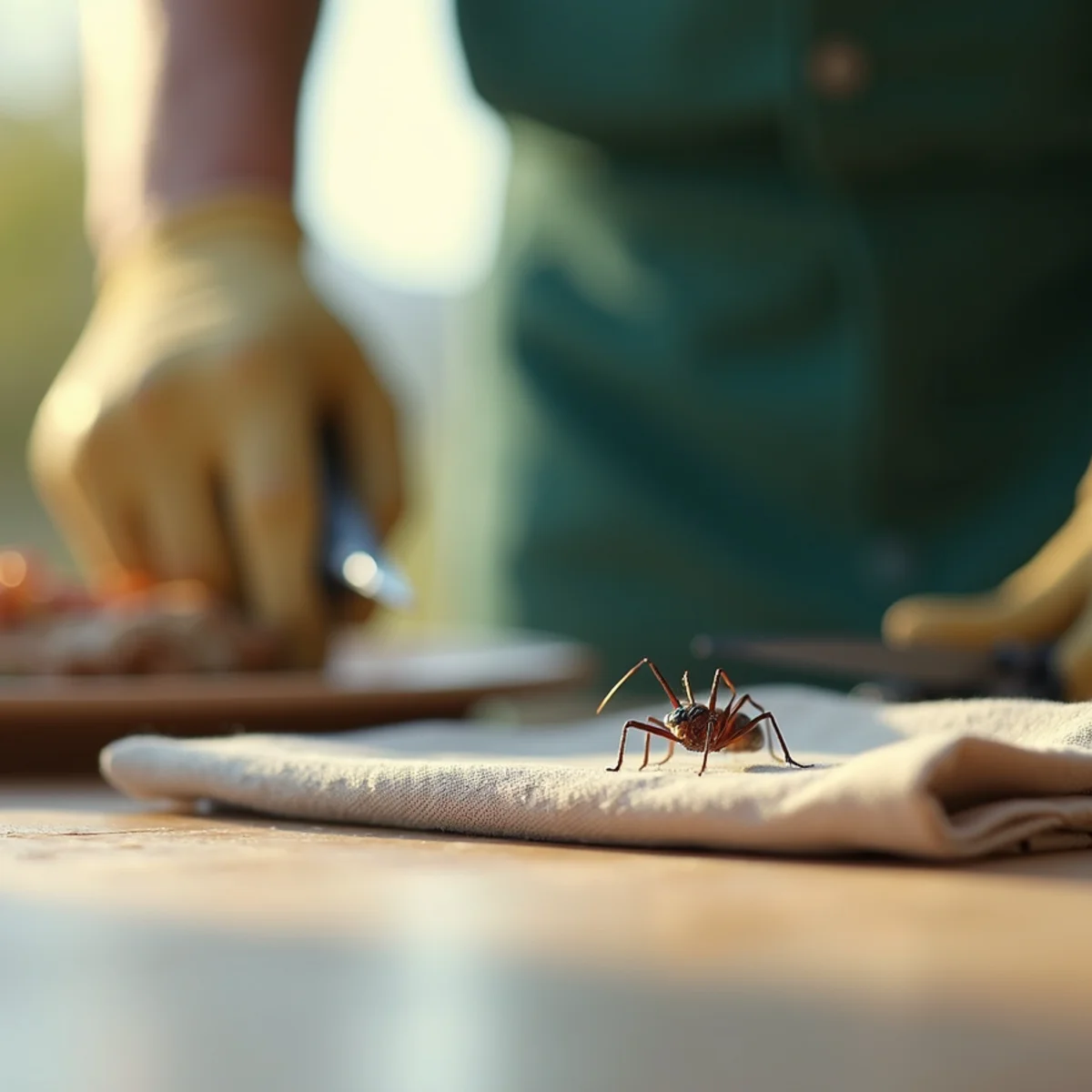
Which pests push indoors in the heat?
Several of Fresno's most common pests follow the same heat-and-water logic, each in its own way. Argentine ants are the headliner: as irrigation slows and the yard dries, their huge outdoor colonies send foragers indoors for water and sweets, and the trails show up first at the kitchen sink and bathroom. An ant-control-services approach that baits the colony and treats the outdoor sources is what holds here.
Cockroaches thrive in summer heat, which speeds their breeding, and they press toward the moisture of kitchens, bathrooms, drains and crawlspaces. American and Oriental roaches in particular come up from drains and garages seeking water, while German roaches multiply faster in the warmth. Sustained cockroach-control with baiting and follow-ups is the counter.
Crickets are drawn to lights and to the cool, damp refuge of garages, bathrooms and laundry rooms, and their numbers climb in late summer. Spiders, including black widows, follow all of the above — more insect prey indoors and in the sheltered perimeter means more spiders settling in to eat them. The pests arrive together because they are all answering the same summer signal.
A couple of other summer visitors round out the list. Earwigs and silverfish push toward the damp of bathrooms, laundry rooms and under-sink cabinets when the yard dries out, and occasional invaders like beetles follow lights and open doors indoors on hot evenings. Wasps and yellowjackets, while not seeking indoor water the way ants do, become far more active and aggressive in the heat as their colonies peak, showing up around patios, trash cans and anywhere sweet drinks and food are outdoors. The common denominator remains heat plus water: whatever the species, the Valley summer is pushing it toward the resources your home concentrates.
The evaporative-cooler (swamp cooler) problem
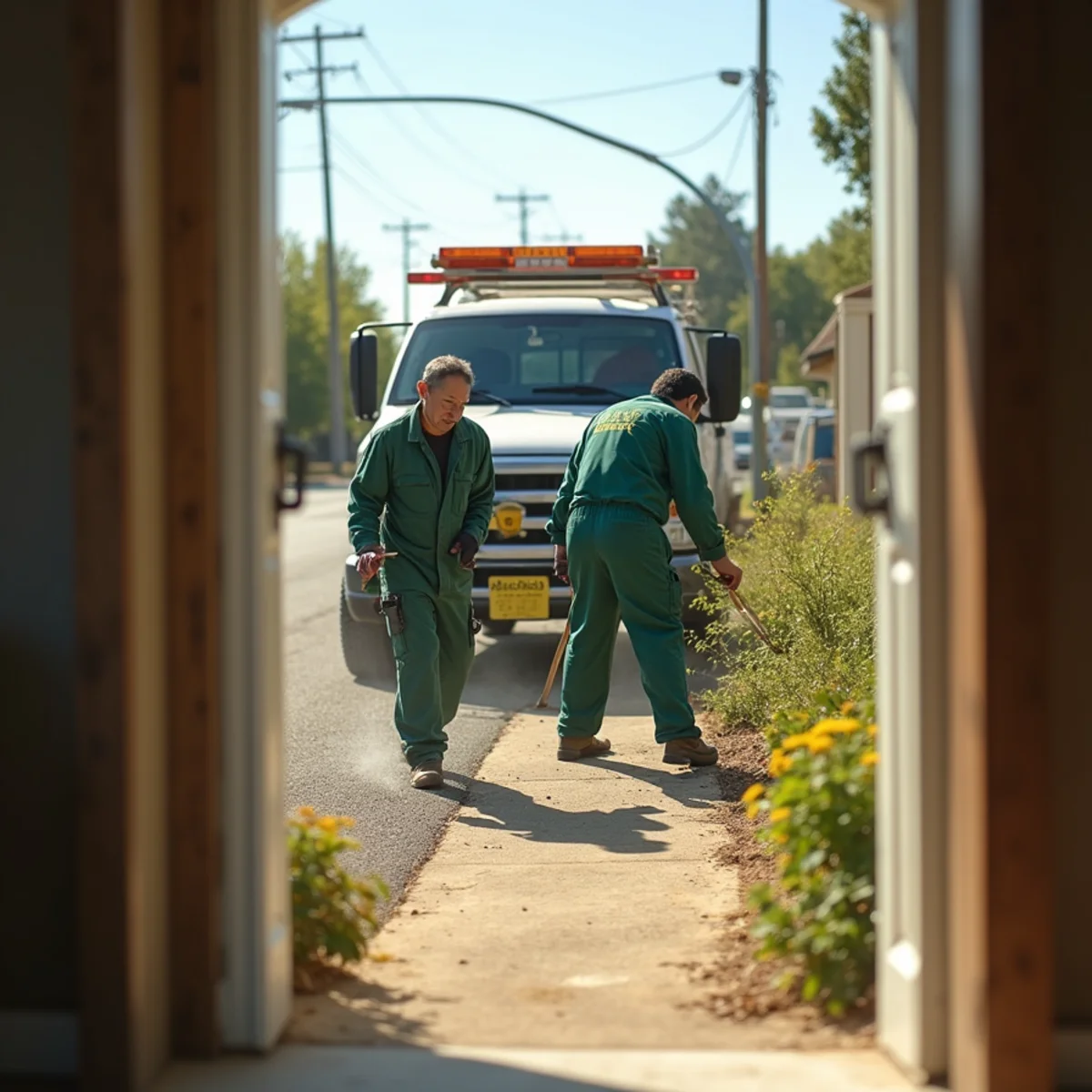
Many Fresno homes use evaporative coolers — "swamp coolers" — which cool the air by passing it over water-saturated pads. They are efficient in the Valley's dry heat, but from a pest standpoint they create a very specific vulnerability that refrigerated A/C does not.
A swamp cooler is, by design, a source of moisture and humidity, and it draws outside air directly into the home through the unit and its ductwork. That combination — a water source plus an open pathway from outdoors — is exactly what moisture-seeking summer pests are hunting for. Gaps around a roof- or window-mounted unit, unscreened or poorly sealed ducts, and the damp pad housing itself can all serve as entry points and harborage.
If you run a swamp cooler, pay it specific attention in summer: make sure the unit and its ductwork are well sealed where they penetrate the roof or wall, keep screens and the pad housing in good repair, and watch for insects and even rodents using the opening. The same feature that keeps the house comfortable can quietly invite the pests the heat is driving indoors.
The contrast with refrigerated air conditioning is instructive. A sealed A/C system recirculates indoor air and keeps the house closed up, which actually works in your favor against pests. A swamp cooler does the opposite by design: it pulls a constant stream of outdoor air in and adds humidity to it, so a home cooled this way is both more connected to the outside and more attractively damp. None of that is a reason to abandon an efficient Valley cooling method — it is simply a reason to keep the unit, ducts and screens tight and to watch that specific pathway more closely through the summer.
A summer pest-prevention list
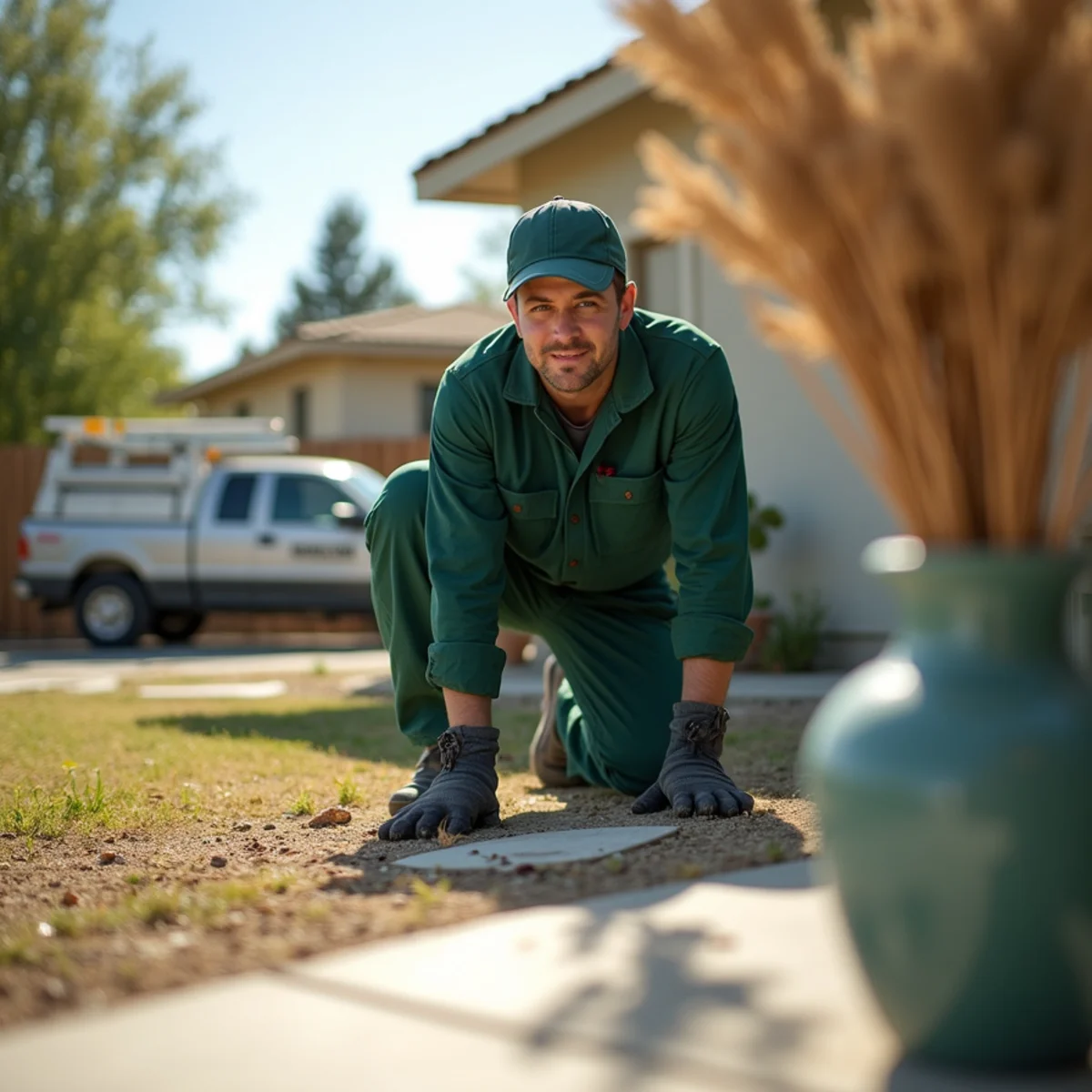
Because the summer invasion is driven by heat, water and entry, prevention targets all three. Work through this list as the weather warms:
- Seal entry points. Caulk gaps around pipes, windows, outlets and door frames; install and repair door sweeps and weep screens where ants, crickets and spiders slip in.
- Cut off interior water. Fix dripping faucets and traps, dry the sink at night, run bathroom fans, and empty pet water bowls before bed.
- Manage exterior moisture. Repair leaking hose bibs, direct irrigation and A/C condensate away from the foundation, and avoid overwatering the perimeter.
- Mind the swamp cooler. Seal ductwork and unit penetrations, maintain screens and pads, and check for insect or rodent entry.
- Reduce the attractants. Store food and pet food sealed, wipe up crumbs and spills, take out trash regularly, and keep sweets off the counter.
- Clear the perimeter. Trim shrubs and limbs off the house, move woodpiles away from walls, and reduce garage clutter that shelters spiders and crickets.
- Treat the barrier early. A perimeter treatment refreshed before the heat peaks stops foragers from trailing in rather than reacting after they are inside.
None of these steps is dramatic alone, but together they remove the water, shelter and access that the heat is pushing pests to seek.
If you tackle only a few of these, prioritize water and entry over everything else. A single dripping hose bib or a gap under the garage door will undo a lot of other effort, because water and an easy doorway are precisely what the heat-driven pests are hunting for. Walking the perimeter at dusk — when ants trail, crickets move and spiders emerge — is a useful way to see where the activity actually concentrates on your particular lot, so your effort goes to the doors and damp spots that matter rather than being spread evenly over a house that only leaks in a couple of places.
The honest trade-offs
Here is the candid part: you cannot change Fresno's climate, and as long as it is 105 degrees outside and the yard is baked dry, pests will keep seeking the water and cool your home holds. Prevention does not eliminate that pressure; it manages it by removing the easy entry, water and food that let pests cross the threshold.
That is also why a single treatment in June rarely holds all summer. The pressure is continuous from late spring through early fall, so the perimeter barrier needs refreshing before each surge rather than being applied once and forgotten. Recurring service matched to the season consistently outperforms a one-time spray in a Valley summer, which is simply the reality of the climate here.
The upside is that the measures that fight summer pests — sealing, moisture control, a maintained perimeter — are the same ones that help against the winter rat push and the year-round Valley pests. Build the habits once and they pay off across the whole calendar, not just in July.
There is a cost argument in that continuity as well. Reacting to a summer invasion after it is inside usually means an urgent, higher-intensity treatment, whereas a maintained barrier spreads the work across lighter, scheduled visits that cost less per visit and rarely require emergency service. A 2025 third-party Central Valley pricing guide put recurring general-pest visits in the range of roughly $80 to $120, against a higher one-time initial service — a gap that widens once a neglected problem becomes an infestation. Staying ahead of the heat is cheaper than chasing it, in both money and hassle.
Frequently asked questions
When Fresno bakes, pests do what everyone does — head for water and shade — and your home is the best option on the block. Deny them the entry, moisture and shelter they are chasing, and refresh the perimeter before each heat wave rather than reacting after. Call J&J Pest Control at (321) 496-4080 to lock the house down for summer.
Call (321) 496-4080