
cockroaches
German Cockroaches in Apartments: Why Store Sprays Fail

Store sprays kill the roaches you see but not the hidden egg cases, and a single female’s line can produce hundreds in months, so the population rebounds in weeks. In apartments they also travel between units through shared walls and plumbing. Lasting control needs gel bait, a growth regulator, and follow-ups timed to the hatch cycle.
The breeding math you are fighting
German cockroaches are the hardest roach to eliminate, and the reason is arithmetic. A single female carries her egg case — called an ootheca — until just before it hatches, and each case holds roughly 30 to 40 eggs. She can produce several cases in her lifetime, and her offspring reach breeding age in a matter of weeks.
Run that forward and a handful of roaches becomes hundreds in a few months. Because the females shelter the egg cases in cracks and voids until they are nearly ready to hatch, the next generation is almost always hidden and protected while the adults are out foraging. That is why seeing one roach in daylight usually means dozens you cannot see.
This explosive, overlapping reproduction is the single fact that defeats most do-it-yourself efforts. Any approach that kills only the adults you can see — and not the eggs waiting in the walls — simply resets the clock, and the population is back within weeks.
There is a visibility problem layered on top of the math. German cockroaches are nocturnal and shy, so for every roach out in the open there are many more packed into cracks and voids you never see. By the time they are visible in daylight — on a wall at noon, scattering when you flip the kitchen light — the harborage is usually crowded enough that the overflow is being forced into the open. In other words, seeing roaches during the day is not an early warning; it is a sign the infestation is already well established.
Need help now, not later?
Call (321) 496-4080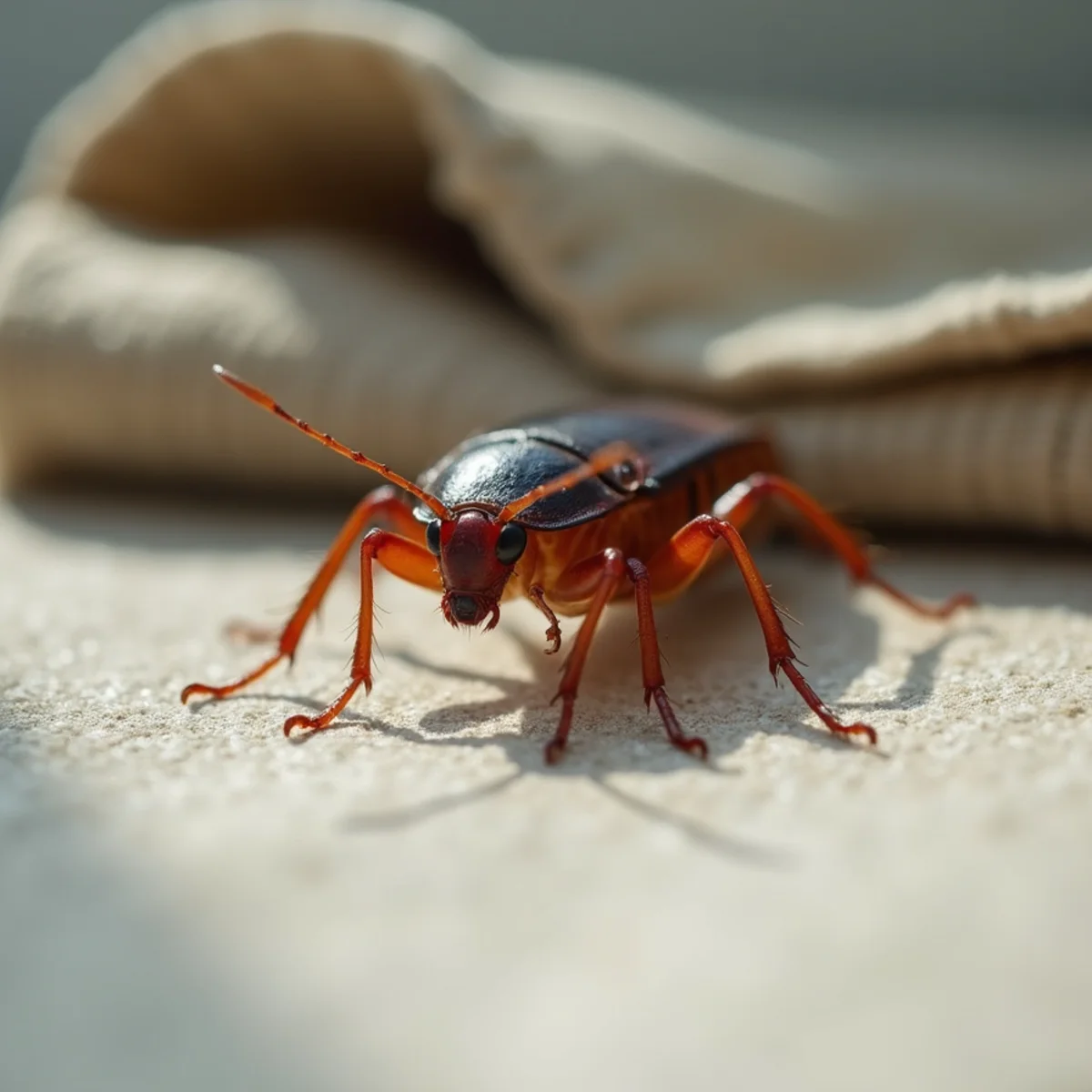
Why do store sprays keep failing?
Retail cockroach sprays fail against German roaches for several compounding reasons. First, they only reach the roaches out in the open, while the bulk of the population — and nearly all the egg cases — sits deep in cracks, hinges, voids and appliance motors where the spray never lands.
Second, egg cases are highly resistant. The ootheca's casing protects the developing eggs from surface sprays, so even a treatment that kills every visible adult leaves the next generation intact to hatch days later. You get a few quiet days, then the problem returns.
Third, many sprays are repellent, which can actually scatter a German roach population — driving them deeper into wall voids and into adjacent rooms or units, spreading the infestation instead of containing it. Finally, German cockroaches in many areas carry resistance to some over-the-counter active ingredients. The result is a cycle of spraying that never gets ahead of the breeding, and often makes the roaches harder to find and treat.
Beyond being ineffective, a heavy German roach infestation is a genuine health concern, which raises the stakes on getting control right. Cockroaches contaminate food-prep surfaces and stored food as they travel from drains and voids, and their shed skins and droppings are well-documented triggers for asthma and allergies, a particular worry for children in apartments. So the goal is not merely to stop seeing roaches; it is to drive the hidden population down far enough that the allergen load and contamination risk drop with it — something surface spraying rarely achieves.
The shared-wall problem in apartments
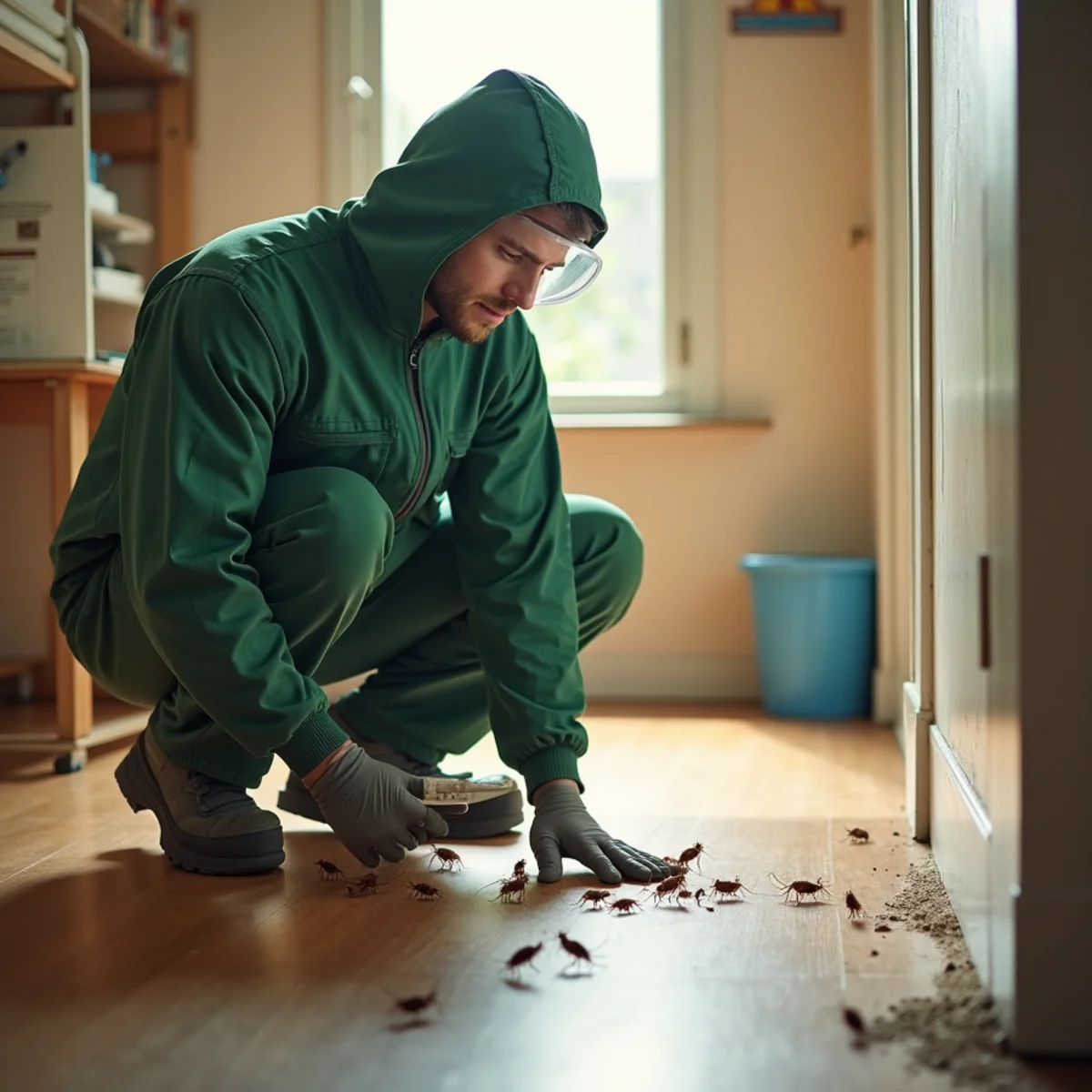
In a single-family home, a thorough treatment can clear a German roach infestation and keep it clear. In an apartment or multi-unit building, there is an extra obstacle that no amount of in-unit spraying solves: your neighbors.
German cockroaches travel between units through the hidden connections every apartment shares — common wall voids, plumbing chases, and the pipe penetrations under sinks and behind appliances. If the unit next door or upstairs is infested, roaches migrate into your unit along those routes, so you can treat your own kitchen perfectly and still be re-infested from outside your walls.
This is why apartment roach problems are so stubborn and why tenants often feel they are fighting a losing battle. Real control in multi-unit housing often means treating adjoining units, sealing the shared penetrations roaches travel, and coordinating so the building is addressed as a system. For managers and landlords, a documented commercial-pest-control program that covers connected units is usually the only thing that holds.
This is also where tenants and owners can end up frustrated with each other, and it helps to name why. A tenant can keep a spotless unit and still have roaches migrating in from a neighbor through the shared plumbing wall, so blaming housekeeping often misses the real mechanism. The productive move is to report the problem to management early and push for a building- or cluster-level treatment rather than unit-by-unit spot jobs, because German cockroaches treat the connected units as one continuous habitat whether or not the lease does.
What actually works: bait, IGR, and follow-ups
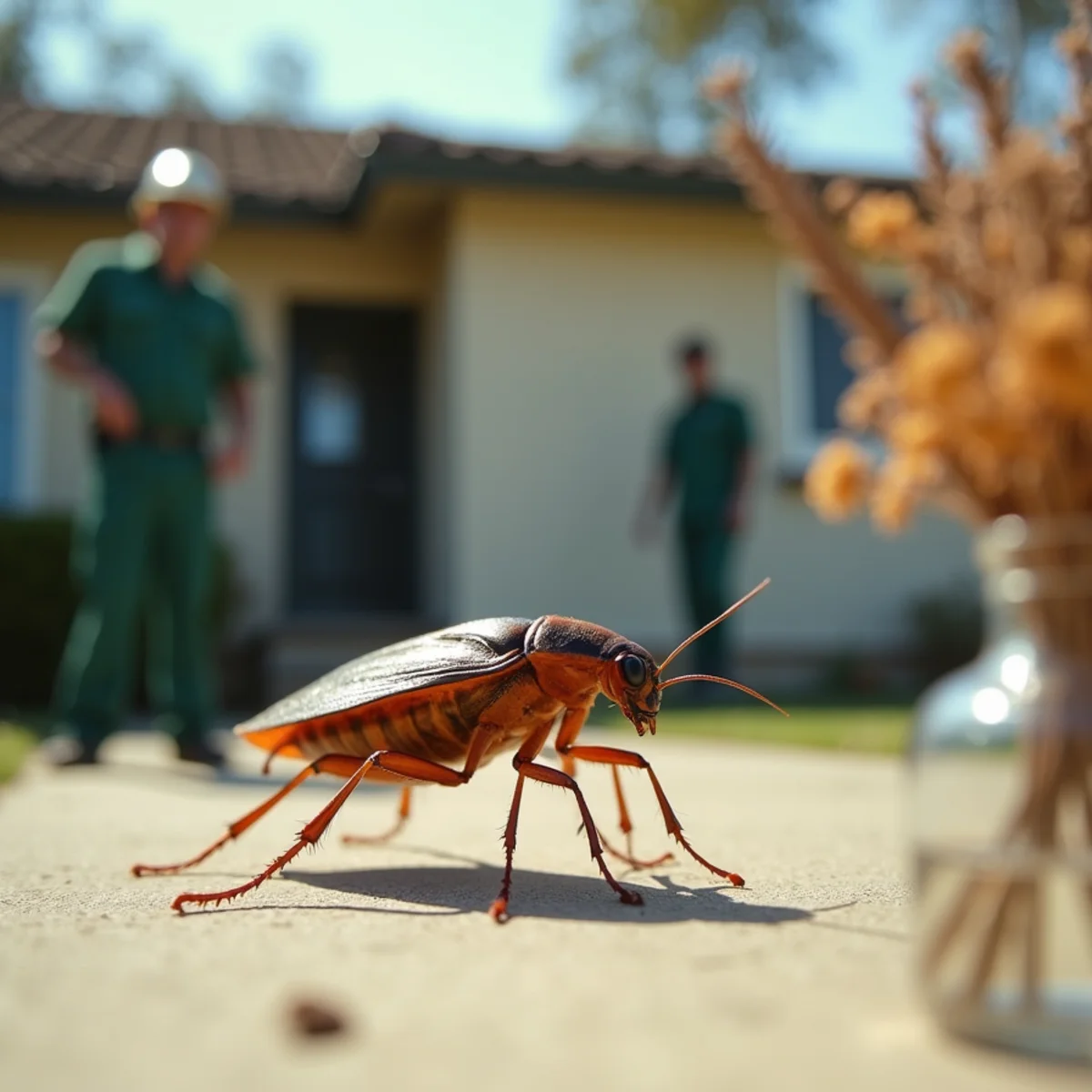
Effective German roach control replaces spray-and-hope with a targeted, multi-part program. The core is professional gel bait placed precisely where roaches harbor and feed — inside cracks, cabinet hinges, voids, and the warm motor housings behind the refrigerator, stove and dishwasher. Roaches eat it, return to the harborage, and the active ingredient spreads through the population, including to roaches that never touched the bait directly.
Bait is paired with an insect growth regulator, or IGR. The IGR does not kill adults; instead it prevents hatchlings and nymphs from maturing into breeding adults. That attacks the breeding math head-on — even eggs that hatch produce roaches that cannot reproduce, so the population cannot rebuild.
The third essential piece is follow-up visits timed to the egg-hatch cycle. Because egg cases are protected and hatch over time, a single visit cannot catch every generation. Returning on schedule baits each new wave as it emerges, which is the step that turns "knocked back" into "eliminated." Alongside treatment, fixing moisture and sanitation — a dripping trap, grease behind the stove, cardboard storage — removes the water and food roaches depend on and keeps the program from fighting the environment.
Monitoring ties the program together. Small sticky traps placed in the harborage zones give an honest, countable read on whether the population is actually falling between visits, rather than relying on the impression that things seem better. A rising count tells the technician where to re-bait or look for a missed harborage, and a steady decline toward zero is the real signal that the hatch cycle is being cleared. That feedback loop — treat, measure, adjust — is what separates a program that ends an infestation from one that merely suppresses it for a while.
How to prep your unit for treatment
Good preparation lets the bait reach the harborage and makes the whole program work faster. You do not need to empty the entire kitchen — just a focused, specific prep:
- Clear out the cabinets and drawers nearest the sink, stove and refrigerator so the technician can reach cracks and voids.
- Remove items from under the sink and pull stored boxes and bags away from kitchen walls.
- Clean up grease, crumbs and spills, and store food and pet food in sealed containers so bait is the most attractive food available.
- Fix or report dripping faucets and traps — roaches need water, and a leak undercuts the treatment.
- Do not spray retail products before or during the program. Repellent spray near bait drives roaches off and sabotages the treatment.
- Break down and recycle cardboard; it is prime roach harborage and egg-case cover.
One more honest note: avoid "bug bombs" and foggers entirely. They scatter German roaches deeper into voids and adjacent units and make a bad problem worse. The specific, targeted approach is slower to feel dramatic but is the only thing that clears the hatch cycle for good.
Set your expectations for the timeline, too. With gel bait and an IGR doing their work, you should see activity drop noticeably within a week or two, but full elimination of a heavy infestation takes the better part of the egg-hatch cycle to play out across several visits. The temptation to declare victory and stop after the first good week is exactly what lets a surviving pocket rebuild. Staying with the scheduled follow-ups until the monitors stay empty is the difference between a quiet month and a roach-free home.
Prevention keeps the win once you have it. After a German roach infestation is cleared, the habits that got you there — sealed food, prompt cleanup of grease and crumbs, fixing leaks, breaking down cardboard, and sealing the gaps around pipes and under sinks where roaches travel — are what stop a few stray hitchhikers from a grocery bag or a neighboring unit from rebuilding a population. In apartments especially, staying in touch with management about building-wide service matters, since your cleared unit sits inside a larger shared habitat. Control is a destination; staying there is a routine.
Frequently asked questions
German cockroaches beat store spray because the math and the building are both working against you — hidden egg cases rebuild the population and shared walls re-seed your unit. Gel bait, a growth regulator, and follow-ups timed to the hatch cycle are what break the loop. Call J&J Pest Control at (321) 496-4080 for a roach program that actually ends it.
Call (321) 496-4080