
termite-swarm
Termites Swarming Indoors: What to Do in the First Hour
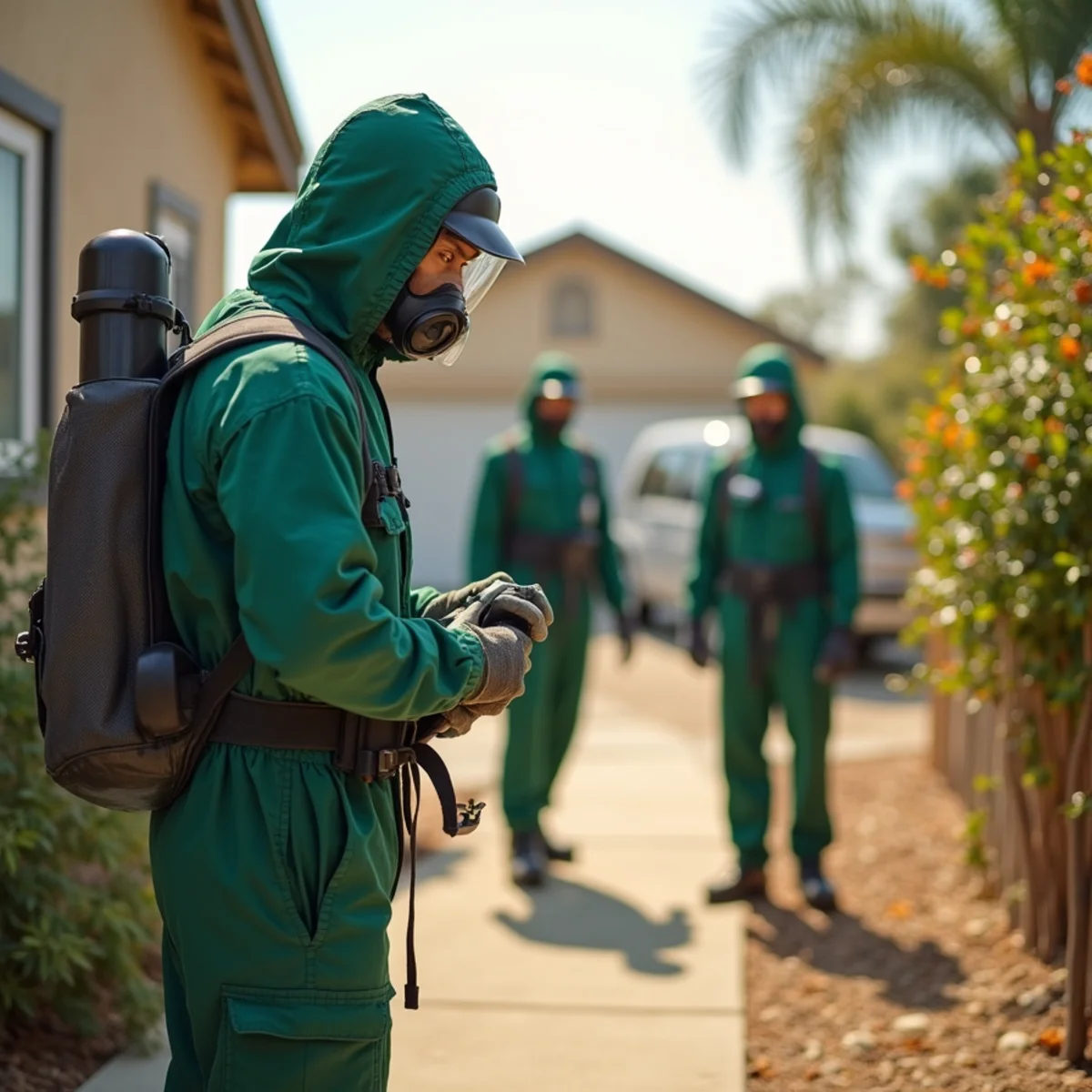
If termites are swarming indoors, stay calm — a swarm is a sign, not an emergency. Do not reach for insecticide. Open a window so swarmers exit toward the light, collect a few in a bag or jar for identification, and schedule an inspection. Swarmers indoors mean a mature colony is already inside the structure.
What does it mean when termites swarm indoors?
Seeing a sudden cloud of winged insects inside your home — often near a window or a light fixture — is unnerving, but it helps to understand what you are actually witnessing. These winged termites are called swarmers, or alates, and they are the reproductive stage of the colony. A colony only produces swarmers once it is mature, so an indoor swarm is the colony's announcement that it has been established and growing, often for years, inside or beneath your structure.
The swarmers themselves do no damage. They do not eat wood; their only job is to fly off, pair up and start new colonies elsewhere. They are drawn to light, which is why you find them at windows and why you often see piles of discarded wings on sills and floors shortly after. In that sense, the swarm is more messenger than threat.
But the message is serious. Swarmers emerging indoors — as opposed to outside in the yard — strongly suggests the parent colony is inside the structure: in a wall, the attic, a door frame or beneath the floor. For Fresno's older homes with exposed wood trim, that usually points to drywood termites; mud tubes on the foundation would point to subterranean termites instead. Either way, the correct response is not to kill the swarmers you can see — they will die or leave on their own — but to find and deal with the hidden colony producing them. That starts with an inspection, and your first hour sets it up well.
There is one more reason not to brush it off: timing and location give you free information you do not want to waste. The room where swarmers appear is a strong clue to where the colony lives, and the time of year helps too, since drywood termites tend to swarm on warm days. If you see swarmers at the same window every spring, that is not a coincidence — it is the same colony, bigger each year, telling you exactly where to look. Homeowners who note these patterns hand the inspector a huge head start, which is part of why the calm, observant response beats the panicked one. The swarm is alarming precisely when it is most useful, so the goal of the first hour is to capture what it is telling you rather than sweep it away and forget it.
Need help now, not later?
Call (321) 496-4080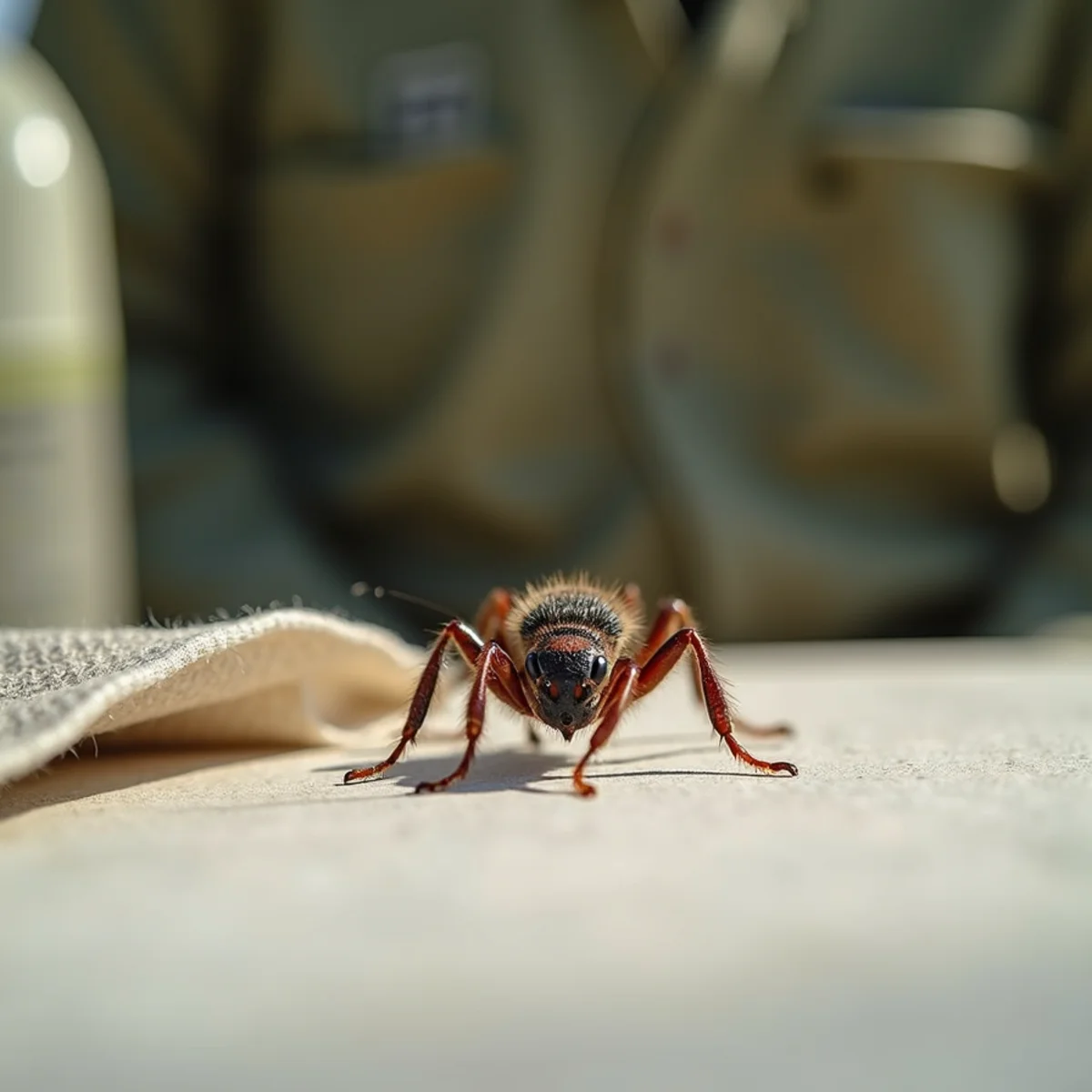
What should you do in the first hour?
The instinct to grab a can of spray is exactly the wrong one, and the right steps are calmer and more useful. Here is what to do in the first hour, in order.
- Don't panic, and don't spray. The swarmers are harmless and short-lived, and spraying them accomplishes nothing against the colony hidden in the wood while contaminating the area you will want inspected.
- Open a window or door near the activity. Swarmers head for light; giving them an exit lets many leave on their own rather than dying in piles indoors.
- Collect a few specimens in a zip bag, a jar, or even by pressing clear tape over several. You want intact insects and some of the shed wings. This is the single most valuable thing you can do in the first hour.
- Photograph the swarm and note the location. Which room, which window, near what wood feature? Repeat swarms in the same spot year after year are a strong clue to where the colony lives.
- Gently clean up the dead swarmers and wings after collecting your sample — but leave any frass (small pellets) or damaged wood untouched for the inspector to see.
- Schedule an inspection. With a sample and a location in hand, an inspection can confirm the species and map how far the colony has spread, which determines whether local treatment will do or whether fumigation is warranted.
That is the whole first hour. Notice that none of the useful steps involve pesticide — the work that matters is identification and inspection, not knocking down the visible insects.

How do you tell a termite swarmer from a flying ant?
This is the question that decides your next move, because flying ants swarm too and are frequently mistaken for termites. Getting the identification right saves you from treating the wrong problem — or from panicking over harmless ants. The differences are visible if you look closely at a specimen, which is exactly why collecting one matters.
| Feature | Termite swarmer | Flying ant |
|---|---|---|
| Waist | Straight, broad — no pinch | Pinched, narrow "wasp waist" |
| Antennae | Straight, bead-like | Bent or elbowed |
| Wings | Two pairs, all equal length | Two pairs, front wings larger than rear |
| Wing shedding | Sheds wings easily; piles of equal-length wings | Wings usually stay attached |
| Body color | Dark, often nearly black | Varies; often brown to black |
The three tells that are easiest to check are the waist, the antennae and the wings. A termite has a straight body with no obvious waist, straight antennae, and four wings that are all the same length and shed readily — hence the little piles of matching wings on the sill. An ant has a clearly pinched waist, elbowed antennae, and front wings noticeably longer than the back pair. If you are looking at matching, equal-length shed wings and straight-bodied insects, treat it as termites until an inspection says otherwise. When in doubt, the sample you collected lets us confirm it definitively.
Why is collecting a sample so important?
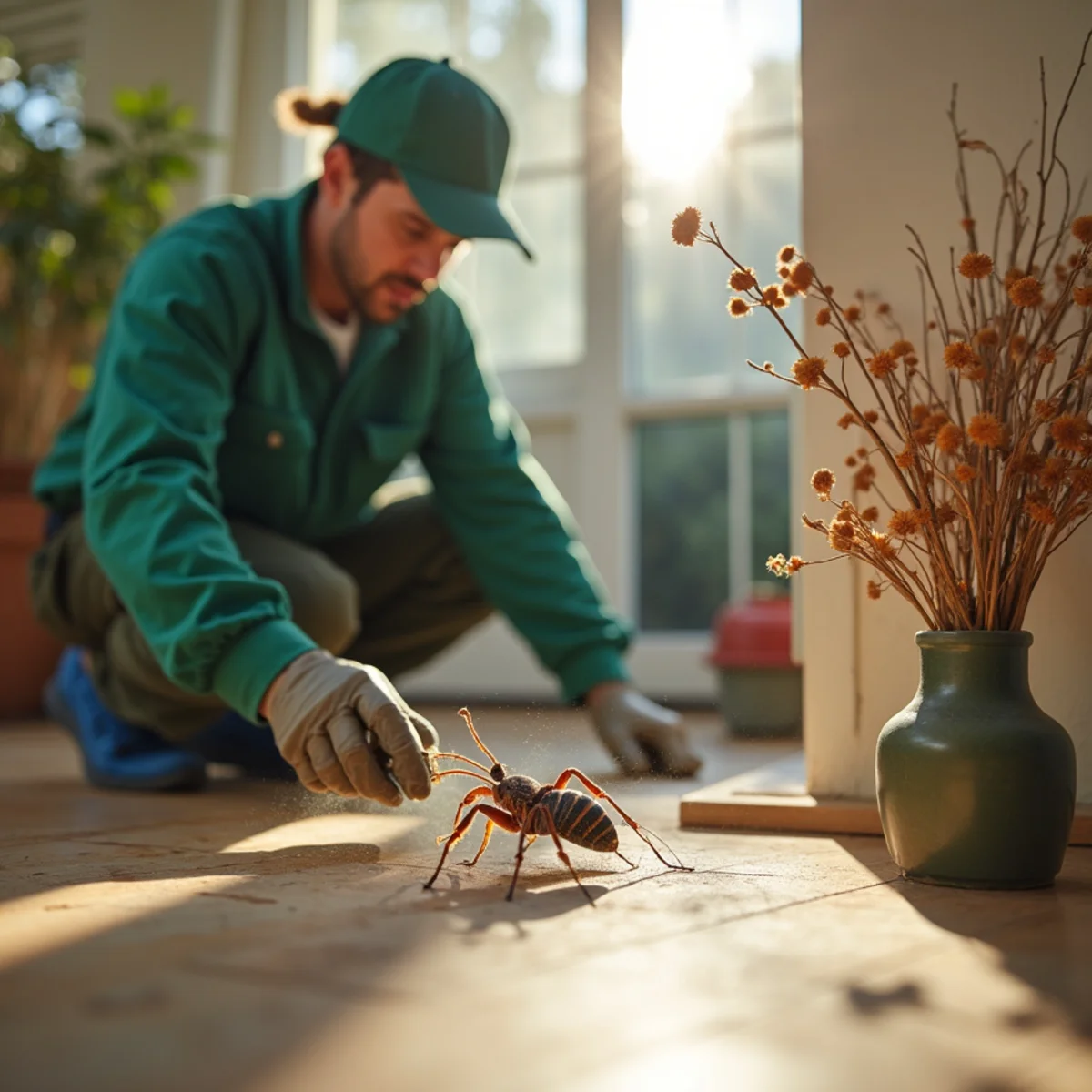
It is tempting to sweep everything up and move on, but the sample you collect in the first hour is the most useful evidence you can provide, and it speeds up everything that follows. A clear specimen lets us confirm not just termite versus ant, but which termite — and that distinction changes the entire treatment plan.
Drywood and subterranean termites call for completely different approaches. Drywood colonies live inside the wood itself and are treated with localized drill-and-treat work, or with tent fumigation when they have spread through the structure. Subterranean colonies nest in the soil and reach wood through mud tubes, and they are handled with a soil barrier, not a tent. Identifying the swarmer, combined with other evidence like frass pellets or mud tubes, points us to the right path before anyone opens a wall.
Practical collection is easy. Scoop a few intact swarmers and a pinch of the shed wings into a small zip bag or a jar, or press a strip of clear tape over several and fold it onto a card. Keep them dry and intact. Note the date, the room and the nearest wood feature. That small effort turns a vague "I saw bugs" into a confident identification, which means a faster, more accurate inspection and a treatment matched to the colony you actually have rather than a guess.
What should you avoid doing?
Just as important as the right steps are the common mistakes that make things worse or waste money. Here is the honest "do not" list, because well-meaning reactions cause real problems.
Do not drench the area in insecticide. Beyond being useless against the colony in the wood, over-the-counter sprays can scatter evidence, contaminate the inspection site, and give you false confidence that the problem is handled when the colony is untouched. The visible swarmers are not the infestation.
Do not ignore it because the swarmers left. This is the costliest mistake. Once the swarm disperses and the wings are swept up, it is easy to tell yourself the problem is gone. It is not — the colony that produced the swarm is still inside, still feeding, and will swarm again. Repeat swarms in the same room year after year mean an active, growing colony that is quietly causing damage.
Do not assume you need a tent. A swarm does not automatically mean whole-house fumigation. Many contained drywood infestations in Fresno can be handled with targeted local treatment, and an inspection is what tells us which. We inspect before recommending a tent precisely so you are not sold an expensive, disruptive fumigation for a problem a spot treatment would solve.
Do not try to find and treat the colony yourself by opening walls. You risk missing the extent of it and causing damage. The right move is the calm one: collect your sample, note the location, and get a professional inspection. From there, we map the activity and lay out honest options with real prices.
Frequently asked questions
Termites swarming indoors is a signal, not an emergency — the winged insects are harmless, but they mean a mature colony is already inside your home. Skip the spray, collect a sample, confirm they are termites, and get an inspection that finds the hidden colony. Call J&J Pest Control at (321) 496-4080 to schedule an inspection and honest treatment options.
Call (321) 496-4080